Difference Between Umrah Permit And Makkah Entry Permit
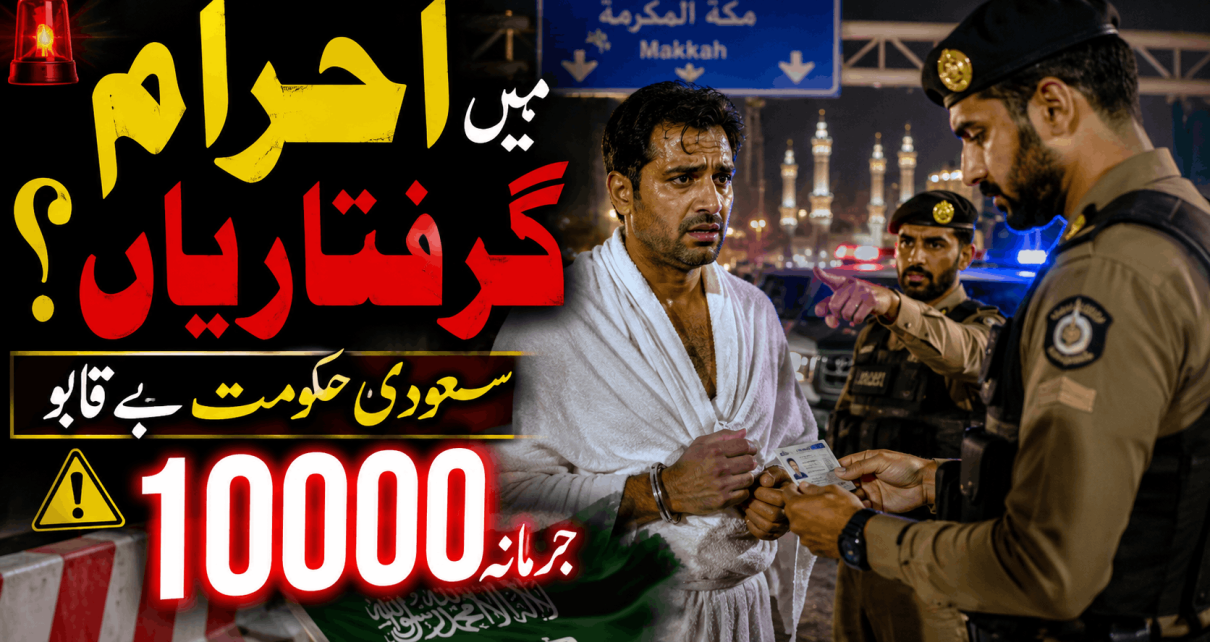
A recent social media comment by a resident in Makkah has raised alarm among thousands of expatriates living in the Kingdom of Saudi Arabia. He said he had a valid Makkah entry permit but no official Umrah permit. But he entered Ihram and tried to perform Umrah. On the way, security officials stopped him, took pictures of his Iqama and personal details, and later sent him back to Jeddah.
Afterward, he returned to Makkah again and worried if he would be fined or face any legal penalty. Such behavior has become very common during the Hajj season and special restricted periods in Saudi Arabia, especially when authorities are strict with rules around entry into Makkah and access to the holy sites.
Difference between a Makkah entry permit and an Umrah permit?
Many expats think that the privilege of entering Makkah is the same as the permission of performing Umrah. However, Saudi authorities manage the two permits independently. A Makkah entry permit is valid only for the purpose of legal entry or stay in Makkah for work, residence, or other approved reasons.
However, a special Umrah permit is needed to perform Umrah during controlled times, especially during the Hajj season or when crowd control measures are in place. This misunderstanding is the reason that many residents unintentionally commit violations while they are legally living or working in Makkah.
Why Saudi Authorities Are Strict During Hajj And Umrah Seasons
Saudi Arabia imposes tough crowd-management policies every year to ensure the safety of millions of pilgrims coming from across the world. During Hajj season, authorities tighten checkpoints around Makkah and scrutinize permits. Security personnel often check Iqamas, Nusuk permissions, vehicle permits, and pilgrimage approval.
Those attempting to perform Hajj or Umrah without proper permission may face immediate stopping. The restrictions are part of a wider Saudi effort to prevent overcrowding, illegal movement by pilgrims, and security risks around the holy sites.
What to Do When Someone Stops Without an Umrah Permit?
Authorities often first check the person’s residency status and purpose of entering the holy area. If someone has a valid Makkah entry permit and no Umrah permit, officers may document their information, take photos of the Iqama, and warn them before sending them back.
That doesn’t mean there’s an automatic fine right away. Sometimes the incident is simply logged in the system for monitoring purposes. But later violations or deliberate attempts to circumvent the rules can bring on severe penalties down the road.
Do expats get fined for performing Umrah without a permit?
Yes, fines can be imposed, depending on the circumstances and the regulations applicable at the time. Saudi authorities have previously announced harsh penalties for those attempting to perform Hajj or Umrah without official permits. Sometimes, fines have been in the thousands of Saudi riyals, especially for repeat violations or assisting unauthorized pilgrims.
However, enforcement can vary depending on whether the person was simply stopped and returned or if they made it into restricted holy areas illegally. If authorities simply record the case and release the individual without any formal record, there might not be an immediate penalty. But the possibility cannot be completely ruled out either.
Why Officials Took Photograph of Iqama and Personal Details
When officers take a photo of an Iqama or personal data, the action usually indicates that the incident has been officially registered in the system. This also enables authorities to track repeat attempts or future violations. It doesn’t automatically lead to a fine, arrest, or deportation.” The Saudi security teams often record the encounters at the checkpoints for administrative and security purposes. Often, residents are just warned and released. However, officials can use records to look at cases again if needed.
Risk of Being Sent Back to Makkah Again
Another important detail about the incident is that the resident was sent to Jeddah and returned to Makkah again. If authorities see repeated movement after a warning, they may take the matter more seriously. Saudi security systems are highly sophisticated and digitally interconnected through residency and permit databases. There is a possibility that someone who keeps trying to circumvent the instructions may face penalties or more serious consequences. Expats should not take unnecessary risks during restricted seasons.
How Expats Can Do Umrah Safely Without Problems
The most certain way for expatriates to perform Umrah is to obtain the required Umrah permit through the official Nusuk app or other approved means prior to traveling for pilgrimage. Recently, digital services and online approvals have made the process easier. “Residents are advised to check the status of Umrah permits, whether they are open, suspended, or limited, before planning to travel. Pilgrims are timely, relaxed, and free from legal issues and fines when they follow the official procedures.
Important Tips for People Living in Makkah
In terms of pilgrimage activities, Makkah residents might consider their residency status fully entitling them to act as they wish. Residents are allowed to stay in the city legally but may need to obtain additional permission to perform Umrah during restricted times. Expatriates are advised to regularly follow up on announcements by Saudi authorities, especially during Ramadan, Hajj season, and peak pilgrimage periods. Rules can be changed rapidly based on crowd conditions and security needs.
Final Verdict: Is There a Fine?
In the case mentioned above, there is no sure-shot way to check if you will be fined or not until you receive an official notification on Absher, an SMS notification, or by the government records. The individual had a legal entry permit for Makkah, and authorities may have simply logged the incident and sent him back with a warning, he said. However, the case was documented, and an Umrah permit was missing, so there is still a chance of a future penalty depending on how Saudi authorities classify the violation. The best thing to do now is to follow official accounts and to stop violating the rules. Always obtain the proper permit before attempting Umrah again.


