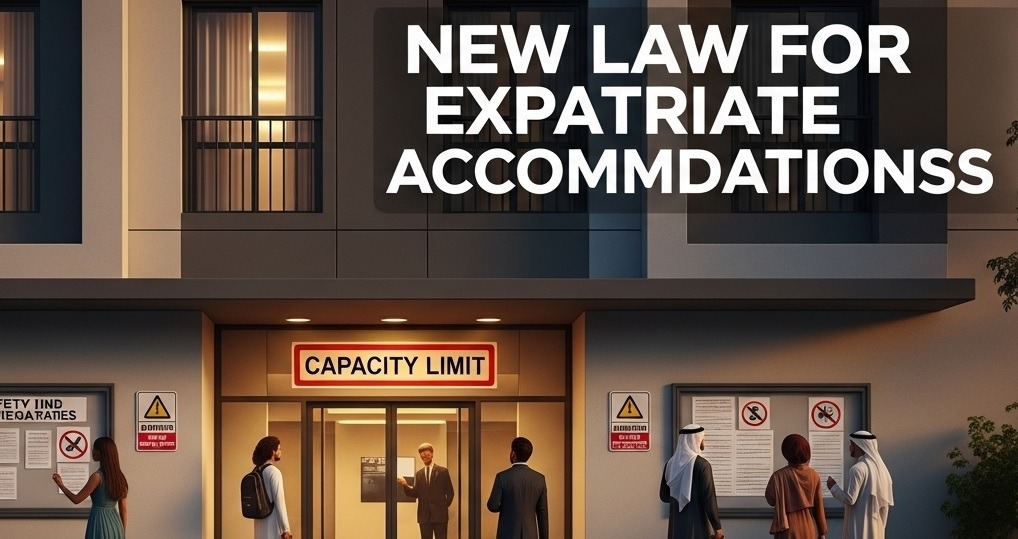
New Law for Expatriate Accommodations In Saudi Arabia
In order to increase safety, avoid overcrowding, and guarantee higher living standards for inhabitants, Saudi Arabia has implemented new rules for shared housing. Concerns regarding hazardous living conditions in shared housing, especially in areas with high population density, are addressed by the revised regulations.
Effect on the Parties Involved
Landlords, tenants, and real estate firms will all be impacted by these changes, which will force them to abide by more stringent rules pertaining to occupancy limits, building safety, and legal compliance.
A component of more comprehensive plans for urban development
The changes are a part of Saudi Arabia’s larger plan to improve urban development and modernize housing regulations. In the nation, shared housing—where several people reside on one property—is widespread, particularly among low-income families and foreign workers.
Resolving Maintenance and Overcrowding Problems
However, issues with general living standards, sanitation, and fire hazards have been brought up by crowded and badly maintained buildings.
Principal Goals of the New Regulations
By lowering the risk of fire, preventing overcrowding, which can cause health issues, safeguarding tenants’ rights, and promoting responsible property management, the new regulations seek to increase safety.
Setting Up Occupancy Limits
The implementation of maximum occupancy limits is among the most important modifications. The size of the property will now determine how many people can live in a shared house, preventing overcrowding.
Particular Occupancy Rules
Larger villas or shared homes will have higher but still regulated occupancy limits, whereas small apartments might only allow a specific number of tenants per room. To guarantee equitable living conditions, families and single workers may be granted different allowances.
Keeping Low-Income Tenants Safe
By taking this action, low-income tenants who might otherwise be compelled to live in dangerous and claustrophobic conditions will not be exploited.
Increased Safety Standards
The new regulations require landlords to install smoke detectors and fire extinguishers in shared housing units, maintain easily accessible emergency exits, ensure proper ventilation and sanitation to prevent disease outbreaks, and perform routine building inspections to ensure compliance with safety regulations in order to reduce risks like fires, accidents, and health hazards.
Pay Attention to Older Structures
In older structures that might not have been intended for high-density living, these precautions are especially crucial.
Required Registration Platform
In order to help the government enforce rules and keep an eye on living conditions, landlords and property managers are now required to register shared housing units with the appropriate authorities.
Repercussions for Failure to Comply
Tenants will have legal protection against unjust evictions or dangerous conditions, while unregistered properties may be subject to fines or closure. The new requirements must be met by rental properties owned by real estate firms.
Cutting Down on Unlawful Housing Arrangements
It is anticipated that this action will lessen unlawful housing arrangements and increase rental market transparency.
Enforcement Through Frequent Examinations
To verify adherence to the revised rules, Saudi authorities will carry out routine inspections.
Repercussions for Violations
Infractions such as overcrowding or a lack of safety equipment can result in fines for the landlord, license suspension for repeat offenders, or legal action in extreme situations where the safety of the tenants is in jeopardy.
Measures to Protect Tenants
Additionally, tenants won’t have to worry about reprisals if they report dangerous living conditions.
Advantages for Renters
Both landlords and tenants will face advantages and difficulties as a result of the new rules. Tenants can anticipate increased space, safer living conditions, and legal protection from exploitation.
Possible Effect on Rental Costs
Though the government may implement measures to keep housing affordable, some people worry that stricter regulations could result in higher rents.
Difficulties for Landlords
In addition to the possibility of fines if regulations are broken, landlords will have to pay more for compliance when making renovations and installing safety equipment.
Establishing an Organized Rental Market
Nonetheless, the modifications will lessen illicit housing operations and produce a more organized rental market.
A Major Advancement
An important step toward raising living standards and enhancing safety for Saudi Arabian citizens is represented by these shared housing regulations.
Long-Term Advantages
The government wants to make the housing market safer and more equitable by imposing safety regulations, requiring proper registration, and setting occupancy limits.
Juggling Benefits and Responsibilities
The long-term advantages of lower fire risks, improved living conditions, and a more structured rental system will benefit both tenants and property owners, even though landlords may have to shoulder more duties.
Conformity to Vision 2030
The modifications are in line with Saudi Arabia’s Vision 2030 objectives, which include improving the standard of living for all citizens and updating infrastructure.


